
What You Need to Know Before Tax-Free Yacht Bunkering
18/10/2026
For captains, yacht managers, and owners operating in the Adriatic, efficient fuel planning is a critical part of every itinerary. When handled properly, tax-free bunkering can support smoother operations, better scheduling, and less administrative friction. Before arranging any fuel stop, it helps to understand what practical steps should be in place in advance.
If your route includes Montenegro, early coordination matters. Documentation, clearance status, berth planning, and service timing can all affect how straightforward the process will be. Working with local support can make tax-free yacht bunkering Montenegro arrangements more efficient, especially when multiple operational needs must be aligned at once.
Why preparation matters before a bunkering stop

Fuel bunkering is rarely an isolated task. On a busy cruising schedule, it often needs to fit around arrival formalities, berth availability, guest movements, provisioning, and technical requirements. A well-prepared bunkering plan helps reduce delays and supports a more predictable turnaround.
For superyachts and charter operations, even small scheduling issues can have wider consequences. That is why captains typically look at bunkering as part of the broader operational picture rather than a last-minute fuel request.
Key operational factors to review
Before confirming a bunkering arrangement, it is useful to review:
- Your current itinerary and estimated time of arrival
- Port or marina access requirements
- Clearance and vessel status
- Required documents for the bunkering procedure
- Berth coordination and fuel delivery timing
- Any other onboard services needed at the same stop
If arrival procedures are still pending, it may be helpful to coordinate them alongside Montenegro yacht clearance services so the visit is managed more efficiently.
Documents and vessel information to prepare in advance
One of the most important parts of tax-free bunkering preparation is having the necessary vessel information and supporting paperwork ready before the request is made. Missing details can slow communication and create unnecessary back and forth at a time when the yacht may already be on a tight schedule.
Exact requirements can vary depending on the operational context, so it is always best to confirm the needed documents in advance with your local support team. In general, captains should be ready to provide the core vessel and voyage details required for coordination.
Typical information that may be requested
- Vessel name and basic registration details
- Flag and yacht type
- Estimated fuel requirements
- Expected arrival window
- Current and next port information
- Captain or operational contact details
Preparing this information early helps the process move faster and gives the service team more time to align the bunkering stop with the rest of the yacht’s schedule.
Timing, berth coordination, and marina logistics

In Montenegro, bunkering arrangements are often closely connected to where the yacht will be positioned and when access can be coordinated. This is why berth planning should not be treated as a separate issue. If fuel delivery needs to happen during a short stop, berth suitability and timing become especially important.
Advance planning can be particularly valuable during active cruising periods, when marina traffic and service demand may be higher. Confirming the operational window early helps reduce the chance of avoidable waiting time.
Questions to consider before confirming the stop
- Is the yacht already assigned to a suitable berth?
- Does the marina schedule support the planned bunkering window?
- Will guests be boarding or disembarking at the same time?
- Are provisioning, transfers, or technical checks also planned?
- Does the itinerary allow enough margin for coordination?
If berth planning is still open, it can help to review how to reserve the best yacht berths in Montenegro as part of the same operational workflow.
How bunkering fits into wider yacht support
For many yachts, bunkering is only one part of a larger service package during a Montenegro stop. Combining fuel arrangements with other support services can simplify communication and reduce pressure on the captain and crew.
Depending on the yacht’s needs, this may include clearance support, provisioning, technical assistance, transfers, or itinerary coordination. Centralized local assistance is especially useful when the stop is short and several tasks need to be completed without disrupting the cruise plan.
For example, if the yacht also requires onboard supplies before departure, combining the stop with yacht provisioning in Montenegro can make the turnaround more efficient. If there are any technical concerns to address at the same time, it may also be worth planning around yacht maintenance and technical support in Montenegro.
Common mistakes to avoid before tax-free yacht bunkering
Even experienced crews can run into avoidable delays when bunkering is arranged too late or without full coordination. Most issues are not caused by the fuel operation itself, but by missing details around logistics, timing, or documentation.
Frequent planning issues
- Requesting bunkering too close to arrival time
- Providing incomplete vessel or itinerary details
- Not aligning bunkering with clearance procedures
- Assuming berth availability without confirmation
- Overlooking other onboard service needs during the same stop
A more structured approach usually leads to a smoother result. When the yacht’s local support team is informed early, they can help anticipate operational gaps before they become delays.
Best practices for a smoother bunkering experience in Montenegro
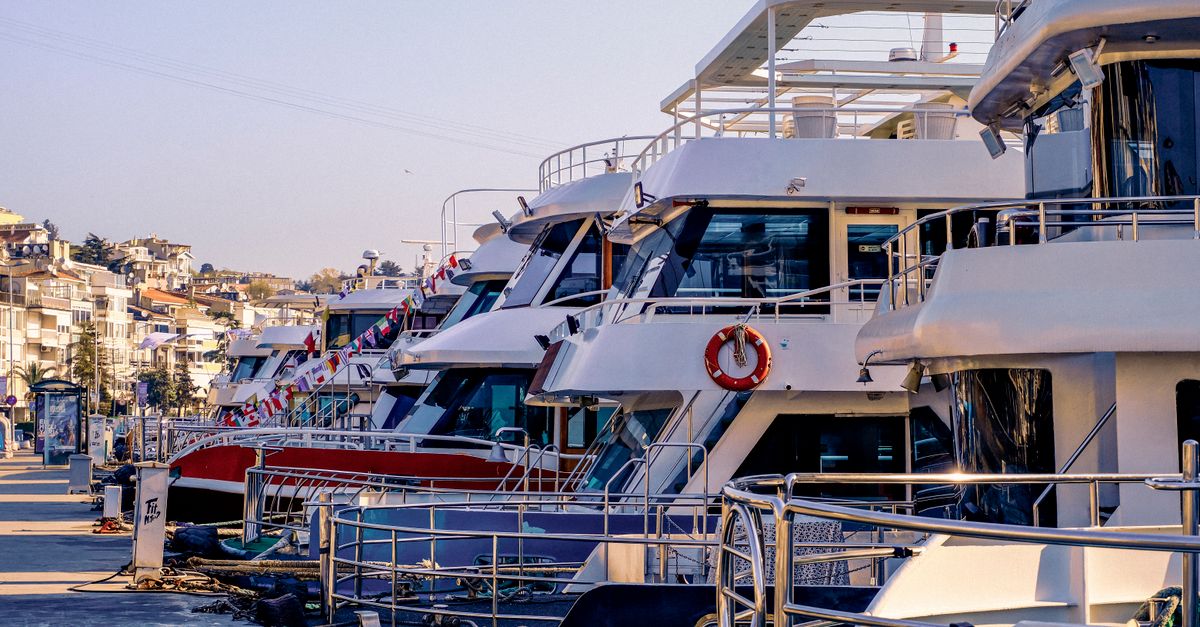
The most effective bunkering arrangements are usually the ones planned early and managed as part of the yacht’s wider port call. Clear communication, accurate timing, and local coordination all contribute to a more seamless experience.
As a practical approach, captains and managers should aim to:
- Share itinerary details as early as possible
- Prepare vessel information in advance
- Confirm berth and access arrangements early
- Coordinate bunkering with clearance and other services
- Allow operational flexibility in case schedules shift
For a more specific overview of the local process, see Tax-Free Yacht Fuel Bunkering in Montenegro: What Yacht Owners Need to Know.
Plan ahead for efficient tax-free bunkering
Tax-free bunkering works best when it is approached as part of a fully coordinated yacht operation rather than a standalone request. In Montenegro, the right preparation can help captains and owners save time, reduce friction, and keep the itinerary moving smoothly.
Whether the yacht needs fuel only or wider operational support during the same stop, early planning makes a clear difference. For superyachts, charter programs, and private cruising schedules alike, a well-managed bunkering call supports a more reliable experience on the water.
FAQ
What should be prepared before requesting tax-free yacht bunkering in Montenegro?
It is best to have key vessel details, itinerary timing, estimated fuel needs, and operational contact information ready in advance. Early preparation helps local coordination move more efficiently.
Why is berth planning important for yacht bunkering?
Berth planning affects access, timing, and how smoothly the fuel stop can be integrated into the yacht’s overall schedule. It is especially important when the yacht has a short turnaround or multiple services planned.
Can bunkering be coordinated with other yacht services?
Yes. Bunkering is often easier to manage when coordinated together with clearance, provisioning, technical support, and other operational services during the same Montenegro stop.
What causes delays in tax-free bunkering arrangements?
Common causes include late requests, incomplete documentation, unconfirmed berth arrangements, and poor alignment with arrival or clearance procedures.
Who benefits from local support for bunkering in Montenegro?
Captains, yacht managers, owners, and charter operators can all benefit from local support, particularly when the itinerary is tight and several logistics tasks need to be handled at once.