
Montenegro Yacht Itinerary Planning for Smooth Logistics and Memorable Stops
20/11/2026
For owners, captains, and charter clients, a successful cruise is rarely just about choosing beautiful places to visit. The real difference often comes from how well the route, timing, and shore-side logistics are coordinated. Effective Montenegro yacht itinerary planning helps turn a demanding schedule into a smoother experience, with fewer last-minute issues and better use of time on the water.
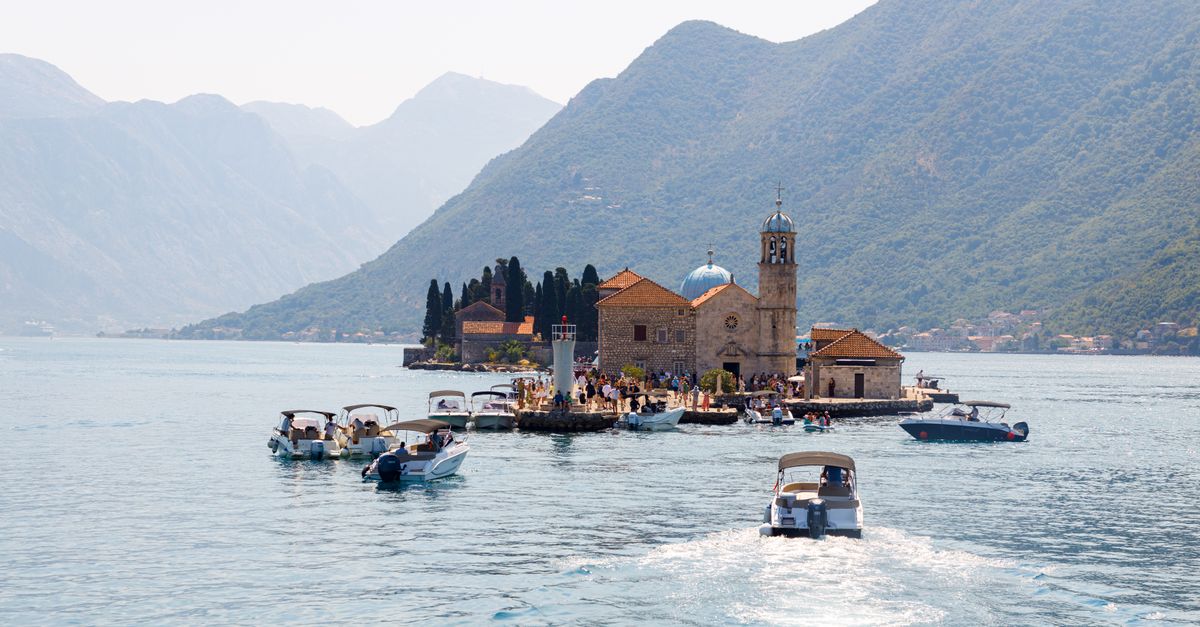
Montenegro offers a compact cruising area with attractive stops, marina access, and convenient connections for guests and crew. That also means itineraries need to be organized carefully. Berth availability, arrival procedures, fuel planning, onboard supplies, technical needs, and guest transfers all affect how practical a route really is.
With the right local support, itinerary planning is not just about where to go next. It becomes a structured process that aligns trip goals with operational realities, helping each journey run more efficiently from arrival to departure.
Why itinerary planning matters in Montenegro

Montenegro is highly appealing for superyacht and charter traffic because it allows guests to enjoy multiple destinations within a relatively short cruising range. That convenience is valuable, but it can also create pressure on schedules, marina space, and service coordination if plans are left too open-ended.
A clear itinerary helps captains and clients answer practical questions early:
- Which stops fit the trip duration?
- When should berths be secured?
- How should arrival and departure procedures be timed?
- Where can provisioning and fuel be arranged with minimal disruption?
- What contingency options are available if plans change?
When these points are addressed in advance, the itinerary supports both guest enjoyment and vessel operations. This is especially important during busy periods, when timing and local coordination can make a major difference.
What a well-structured yacht itinerary should include
Good itinerary planning balances guest expectations with operational efficiency. In practice, that means looking beyond the destination list and considering how each leg of the trip connects to services onshore.
Route logic and stop selection
Each route should match the trip length, cruising objectives, and preferred pace. Some clients want a relaxed schedule with longer stays, while others prefer to include several stops within a shorter timeframe. A workable itinerary takes that preference into account without creating unnecessary pressure on daily operations.
Berth coordination
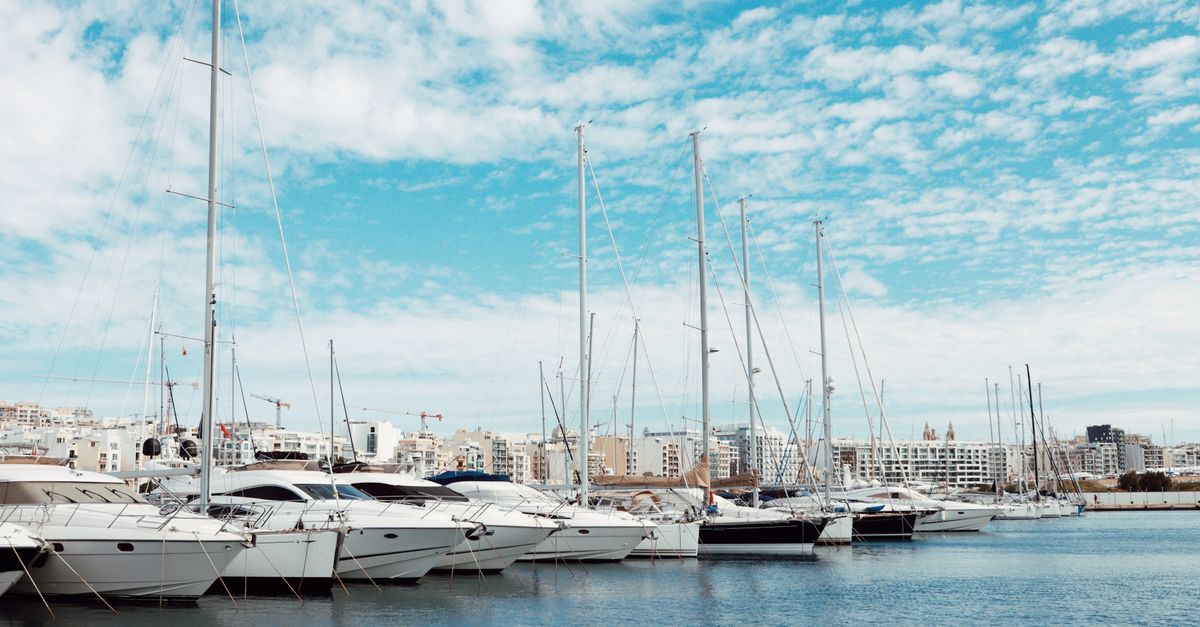
Berth planning should be considered early, especially when the itinerary includes popular marinas or fixed arrival windows. Securing the right berth is not only about location. It also affects convenience, access, onboard comfort, and the overall flow of the trip. For readers planning marina access, this guide to reserving yacht berths in Montenegro provides useful additional context.
Arrival and departure procedures
Check-in and check-out timing can influence the entire route. A realistic itinerary should account for these procedures so that cruising plans remain practical from day one. If you are preparing for entry formalities, Montenegro yacht clearance services can help explain the process in more detail.
Provisioning and fuel planning
Provisioning and bunkering should fit naturally into the route rather than interrupt it. Planning these needs in advance helps reduce delays and keeps the onboard experience aligned with guest expectations. Related reading includes yacht provisioning in Montenegro and tax-free yacht fuel bunkering in Montenegro.
Balancing guest experience with operational efficiency

The best itineraries feel effortless to guests, even though they are built on careful planning behind the scenes. This balance is especially important in luxury yachting, where service expectations are high and time is valuable.
From an operational perspective, itinerary planning should reduce friction. From a guest perspective, it should create a sense of flow. That means avoiding rushed transitions, unnecessary waiting time, and poorly timed service stops.
In practical terms, smooth itinerary planning often supports:
- More comfortable pacing between destinations
- Better alignment between cruising time and guest preferences
- Timely coordination of marina access and shore-side services
- Fewer avoidable disruptions during the trip
- Greater flexibility when adjustments are needed
For charter clients, this can improve the overall holiday experience. For owners and captains, it can make trip management more efficient and predictable.
Key logistics that influence a Montenegro itinerary
Even the most attractive route needs to work operationally. Several logistics factors influence whether an itinerary is realistic, comfortable, and easy to execute.
Berth availability and timing
Some itinerary ideas look simple on paper but become more complex when berth demand is high. Confirming suitable berths in advance can help avoid schedule changes later.
Onboard supply needs
Guest preferences, trip duration, and special requests all shape provisioning needs. Integrating supply delivery into the schedule helps maintain service quality without creating unnecessary detours.
Fuel strategy
Fuel stops should be coordinated around the route and operating plan. When arranged efficiently, bunkering becomes part of the itinerary rather than a disruption to it.
Transfers and courier coordination
Guest arrivals, crew changes, and urgent deliveries can all affect timing. Including these movements in itinerary planning helps support a smoother overall operation.
Technical contingencies
Even on well-prepared trips, technical issues can arise. A practical itinerary leaves room for adjustments and access to support if needed. For more on this topic, see yacht maintenance and technical support in Montenegro.
How local support improves itinerary planning

Local itinerary planning support is valuable because it connects route design with real operating conditions on the ground. Instead of treating the itinerary as a wish list, it becomes a coordinated plan supported by the services needed to carry it out.
In Montenegro, this can include assistance with:
- Trip logistics and stop planning
- Coordination of entry and exit procedures
- Berth reservation support
- Provisioning scheduling
- Fuel bunkering arrangements
- Transfers and courier logistics
- Ongoing support during the trip
This kind of coordination is especially useful for captains working to keep operations efficient while also meeting owner or guest expectations. It also helps charter clients who want a polished experience without having to manage every detail themselves.
Common itinerary planning mistakes to avoid
Many itinerary problems do not come from the destination choices themselves. They come from underestimating the logistics needed to support those choices.
Common issues include:
- Overloading the route with too many stops
- Leaving berth requests too late
- Not allowing for clearance timing
- Adding provisioning or fuel stops without route logic
- Ignoring transfer or courier requirements
- Building a schedule with no flexibility for changes
A stronger approach is to build the itinerary around realistic timing, vessel needs, and guest priorities from the start. That creates a route that is both enjoyable and easier to operate.
Planning a smoother Montenegro yachting experience
Montenegro yacht itinerary planning works best when the route is supported by coordinated local logistics. Beautiful stops are important, but so are the details that keep the journey running smoothly: berth access, arrival procedures, provisioning, fuel, transfers, and responsive support throughout the trip.
For owners, captains, and charter clients, careful planning can help reduce friction and create a more polished experience from start to finish. When the itinerary is built around both enjoyment and operational practicality, each stop becomes easier to reach and more enjoyable to experience.