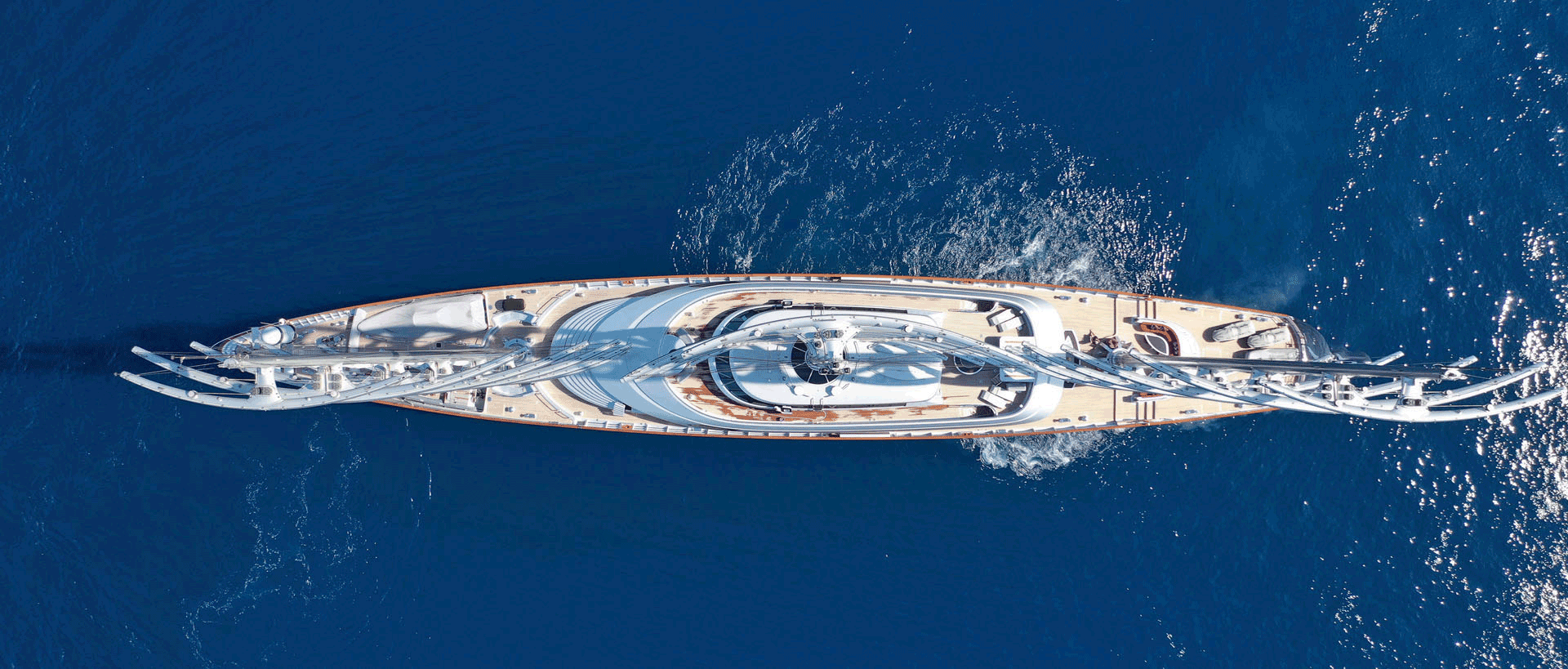
How Tax-Free Fuel Can Reduce Superyacht Operating Costs
19/10/2026
Fuel is one of the most significant ongoing costs in superyacht operations. Whether a yacht is privately managed or operating within a charter schedule, bunkering decisions can have a direct impact on overall trip efficiency, planning flexibility, and budget control. For owners, captains, and managers, understanding how tax free fuel for superyachts works is an important part of reducing unnecessary operating expenses.
In Montenegro, tax-free bunkering can be a valuable advantage when it is handled correctly and supported by experienced local coordination. Beyond the immediate fuel transaction, the real benefit often comes from combining compliance, timing, berth logistics, and itinerary support into one smooth process.
Why fuel costs matter so much in superyacht operations
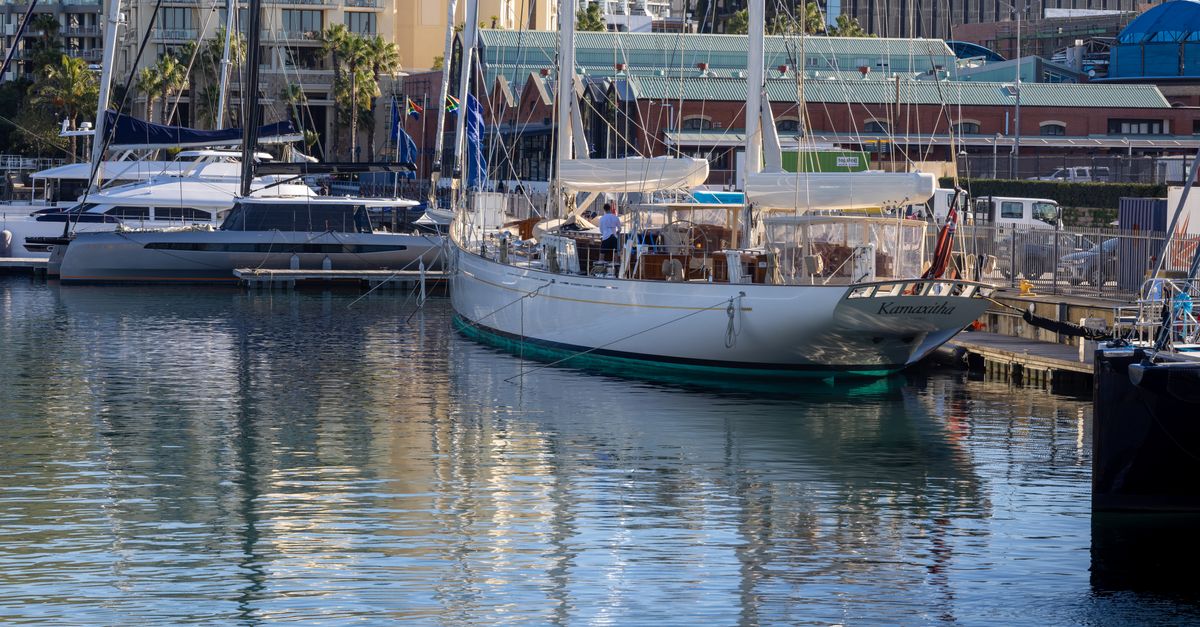
For any superyacht, fuel consumption affects more than a single line item in the operating budget. It influences passage planning, cruising range, generator use, onboard comfort, and the feasibility of longer itineraries across Montenegro and the Adriatic.
Because fuel demand can vary depending on yacht size, cruising speed, weather conditions, and guest itinerary, captains and operations teams need bunkering solutions that are both cost-conscious and dependable. Even when the goal is a seamless luxury experience onboard, the operational side still depends on careful cost management behind the scenes.
Reducing fuel-related expenses can help support:
- more efficient seasonal budgeting
- better planning for charter operations
- improved route flexibility
- more predictable trip logistics
- stronger coordination between marina, clearance, and support services
What tax-free fuel for superyachts means in practice
Tax-free fuel for superyachts generally refers to bunkering arrangements where eligible vessels can receive fuel under applicable duty-free or tax-exempt conditions. In practice, this is not simply a matter of arriving and refueling. The process typically depends on proper documentation, operational status, local procedures, and accurate coordination.
That is why many captains and yacht representatives prefer to work with an experienced local agency. The value is not only in arranging the fuel delivery itself, but in helping ensure the process is handled efficiently and with the right supporting steps in place.
For yachts operating in Montenegro, this often means aligning bunkering with arrival formalities, berth planning, and the yacht's broader schedule. When managed well, the result is less disruption for crew and guests, and a more streamlined operational flow.
For a more detailed overview of the local process, see Tax-Free Yacht Fuel Bunkering in Montenegro: What Yacht Owners Need to Know.
How tax-free bunkering can reduce overall operating costs
Lower direct fuel expenditure
The most obvious benefit is the potential reduction in direct fuel cost when a yacht is eligible for tax-free bunkering. Given the scale of fuel usage in superyacht operations, even a more efficient bunkering structure can make a meaningful difference over a season.
For yachts with demanding cruising schedules, repositioning legs, or charter-intensive calendars, these savings can support better cost control without compromising operational standards.
More efficient voyage planning
Fuel strategy is closely tied to itinerary planning. When captains can bunker efficiently in the right location and at the right point in the schedule, they can avoid unnecessary detours, delays, or fragmented service arrangements.
In Montenegro, this is especially relevant for yachts balancing guest experience with practical logistics. Tax-free bunkering becomes even more valuable when it is integrated into a wider support plan that includes berth coordination, shore services, and timing around guest movements.
Reduced operational friction
Operating costs are not limited to what appears on an invoice. Time lost to avoidable delays, last-minute paperwork issues, or poorly coordinated fuel stops can create indirect costs for the yacht as well. Crew time, schedule disruption, and missed opportunities to optimize port calls all affect efficiency.
Professional support helps reduce this friction by making sure bunkering is arranged in a way that fits the yacht's operational reality rather than interrupting it.
The importance of local coordination in Montenegro
Montenegro has become an increasingly attractive destination for superyachts thanks to its coastline, marina infrastructure, and position within Adriatic cruising itineraries. However, as with any operational destination, local knowledge matters.
Tax-free fuel arrangements work best when they are coordinated by a team that understands the local procedures, timing requirements, and practical realities on the ground. This is particularly important for visiting yachts that want to combine efficiency with a high standard of service.
Effective coordination may include:
- aligning bunkering with arrival and departure procedures
- helping organize berth reservations around service needs
- supporting communication between yacht crew and local providers
- reducing unnecessary waiting time
- integrating fuel stops into a wider itinerary plan
If your yacht is arriving from abroad, it is also useful to coordinate fuel planning with entry formalities. You can read more here: Montenegro Yacht Clearance Services: Fast and Hassle-Free Entry.
How bunkering fits into a broader superyacht support strategy
For captains and yacht managers, fuel should not be treated as an isolated task. The most efficient operations come from connecting bunkering with the other services a yacht may need before, during, or after a stay in Montenegro.
For example, a well-planned stop may combine fuel, provisioning, berth arrangements, technical coordination, and guest transfers within one tightly managed schedule. This approach helps reduce downtime and supports a more polished onboard experience.
Related service planning may include:
- berth reservation support to secure a practical and comfortable location
- provisioning coordination for timely onboard supply delivery
- technical support planning when operational checks or repairs are needed
When these elements are coordinated together, cost savings are not limited to fuel alone. The yacht also benefits from better time management, fewer service interruptions, and stronger trip continuity.
Who benefits most from tax-free fuel for superyachts
Tax-free bunkering can be relevant for a range of superyacht stakeholders, especially those focused on operational efficiency and seasonal cost control.
This may include:
- private yacht owners seeking better management of annual running costs
- captains responsible for route planning and bunkering logistics
- charter operators balancing guest expectations with operational margins
- management teams coordinating multi-stop Adriatic itineraries
- crew aiming to reduce administrative complexity during busy schedules
While the financial advantage is important, the service value often goes beyond the fuel itself. Reliability, speed, and local expertise can be just as important when a yacht is moving on a tight schedule.
Choosing the right support partner for tax-free bunkering
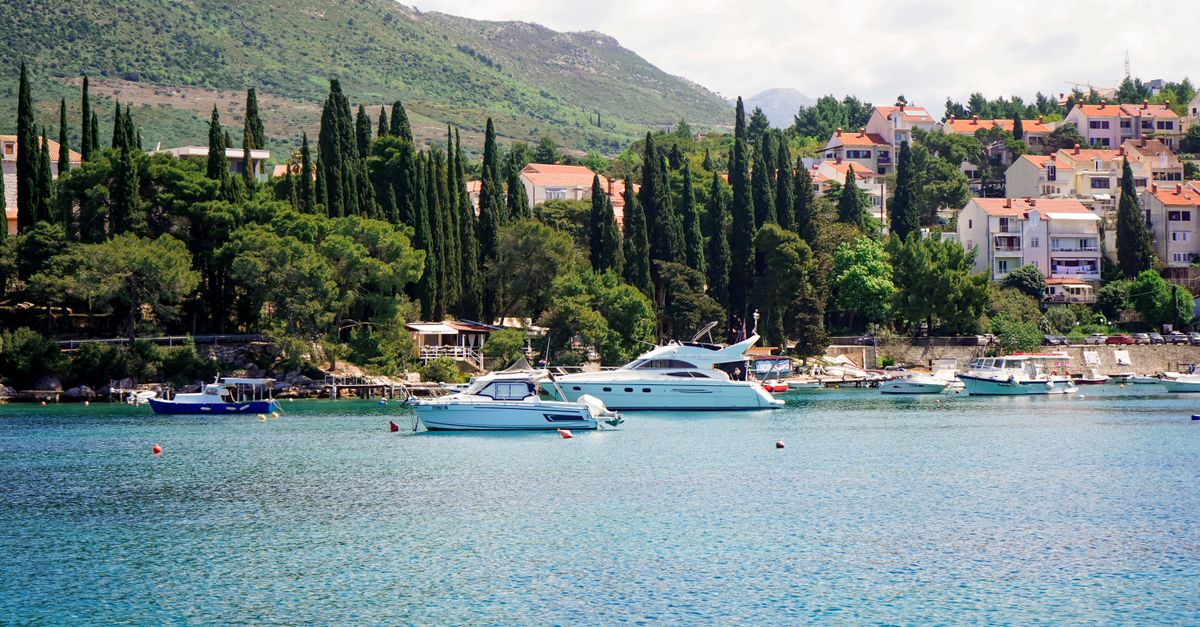
Not all bunkering support is equal. For superyachts, the right local partner should understand both the technical importance of fuel logistics and the service expectations of high-end yacht operations.
When assessing support, captains and representatives typically look for:
- clear communication
- knowledge of local procedures
- efficient coordination with other yacht services
- responsiveness during time-sensitive operations
- a practical understanding of superyacht standards
In Montenegro, working with an agency that can coordinate fuel alongside clearance, berths, provisioning, and technical support can make the entire stop more efficient and less stressful for crew.
Final thoughts
Fuel will always remain a major part of superyacht operating costs, but smarter bunkering strategy can make a real difference. Tax free fuel for superyachts is not only about reducing direct expenditure. It is also about improving operational efficiency, minimizing disruption, and supporting better decision-making across the yacht's itinerary.
For yachts cruising Montenegro and the Adriatic, local coordination plays a key role in turning that opportunity into a smooth and practical result. With the right support, tax-free bunkering becomes part of a broader service strategy designed to save time, reduce complexity, and maintain the premium standard expected in superyacht operations.
Frequently Asked Questions
What is tax free fuel for superyachts?
Tax free fuel for superyachts refers to bunkering arrangements where eligible yachts may receive fuel under applicable tax-exempt or duty-free conditions, depending on local rules and documentation requirements.
Why is tax-free bunkering important for operating costs?
Because fuel is a major recurring expense, any legitimate reduction in fuel-related costs can help improve budget efficiency, especially over a full cruising season or charter schedule.
Does tax-free fuel only benefit large commercial operations?
No. Depending on eligibility and operational status, tax-free bunkering can be relevant to different types of superyacht operations, including privately managed and charter-focused vessels.
Why use a local yacht agency for fuel arrangements in Montenegro?
A local agency can help coordinate documentation, timing, berth planning, and related services so bunkering fits smoothly into the yacht's wider itinerary and operational schedule.