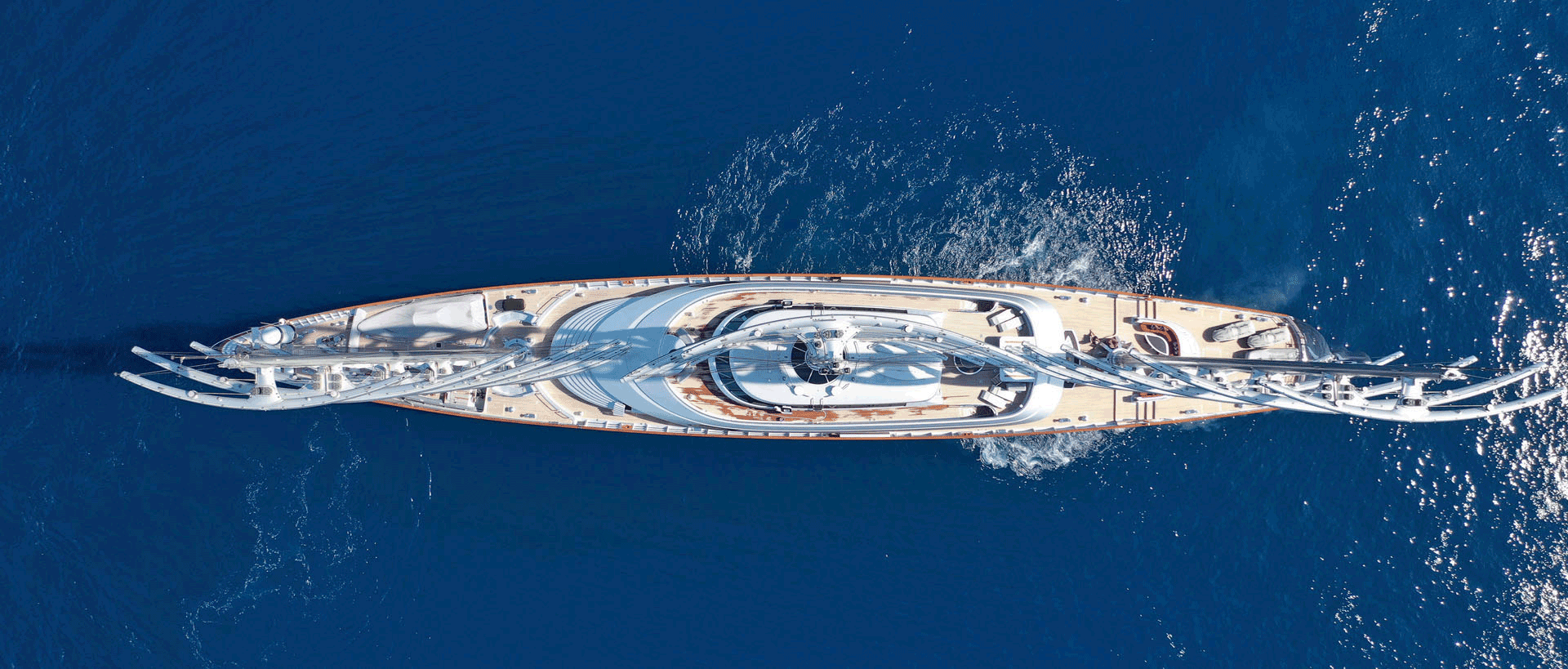
Can You Bring Your Dog on a Yacht? Tips for Pet-Friendly Cruising
15/09/2026
For many owners and charter guests, a holiday at sea feels incomplete without a four-legged companion. The good news is that bringing a dog on yacht trips can be enjoyable and manageable when the itinerary, onboard routine, and practical details are planned carefully in advance.
Whether you are preparing for a private cruise in Montenegro or arranging a longer Adriatic itinerary, travelling with a dog requires more than simply stepping aboard. Comfort, safety, marina access, provisioning, and documentation all deserve attention before departure.
With the right support and realistic expectations, dogs can adapt very well to life on board. The key is to prepare for the yacht environment and to keep your pet’s wellbeing in mind throughout the journey.
Is it possible to bring a dog on a yacht?
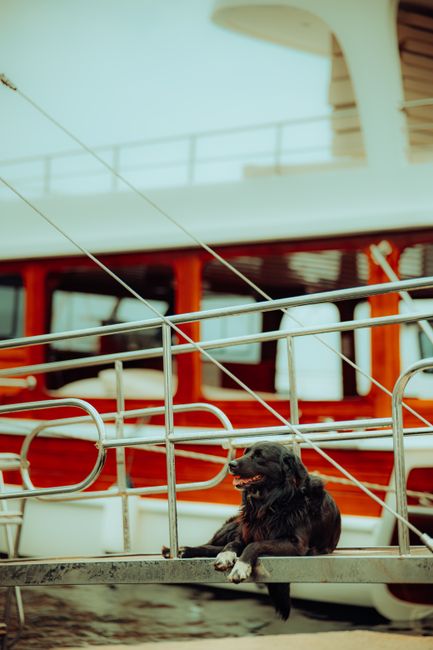
Yes, in many cases it is possible to bring a dog on a yacht, but it depends on several factors. The type of yacht, the owner or charter policy, the planned cruising area, and port or border requirements can all affect whether pets are allowed.
For private yacht owners, the decision is usually straightforward as long as the vessel is suitable and the dog is comfortable on board. For charter guests, the first step is always to confirm the operator’s pet policy before making arrangements. Some yachts may welcome pets, while others may have restrictions based on size, breed, interior finishes, or owner preference.
It is also important to consider the route. If your itinerary includes international movement, entry formalities and local rules may need to be checked in advance. For yachts arriving in Montenegro, proper planning around logistics and formal procedures helps avoid unnecessary stress at the start of the trip. If you are preparing for arrival, this guide to Montenegro yacht clearance services may be useful.
What to consider before bringing your dog on board
Your dog’s temperament and comfort
Not every dog responds to the marine environment in the same way. Some are naturally calm, adaptable, and confident around movement, noise, and unfamiliar spaces. Others may feel anxious on gangways, slippery decks, or in marinas with heavy activity.
Before committing to a longer cruise, it helps to assess how your dog reacts to:
- moving surfaces and narrow walkways
- new sounds such as engines, generators, and marina traffic
- time away from regular walking routines
- being in close quarters for extended periods
If possible, start with a short onboard visit or day trip before planning a longer stay.
The yacht layout
Some yachts are far more pet-friendly than others. A practical layout can make a significant difference to safety and comfort. Features that may help include easier deck circulation, safer access points, shaded exterior areas, and suitable interior flooring.
Steep companionways, polished surfaces, and limited outdoor relief options can be challenging for dogs, especially older pets or smaller breeds. It is worth reviewing the vessel layout in advance and identifying where the dog will rest, drink water, and spend time during passages.
Season and weather conditions
Montenegro and the Adriatic offer beautiful cruising conditions, but summer heat can be demanding for pets. Deck surfaces can become very hot, and some dogs are more vulnerable to sun exposure and dehydration.
When planning a pet-friendly cruise, think about shade, ventilation, hydration, and the timing of shore visits. Early morning and evening walks are often more comfortable than midday outings during warmer periods.
Essential safety tips for a dog on yacht trips
Create secure movement areas
Dogs should never be left to move freely around the yacht without supervision, especially while docking, anchoring, or cruising. Establish safe zones where your pet can relax without being underfoot during crew operations.
On larger yachts, this may mean designating a shaded aft-deck corner or a specific interior lounge area. On smaller vessels, it may simply mean using a familiar mat or bed in a low-traffic location.
Use the right equipment
A secure harness is often more practical than a collar in the yacht environment, particularly when guiding a dog across a gangway or helping them move safely around the deck. Non-slip surfaces or mats can also help dogs feel more stable.
Other useful items may include:
- a lead suitable for marina walks
- portable water and food bowls
- towels for drying paws after swimming or tender use
- waste bags and cleaning supplies
- a familiar bed or blanket
Prepare for slips, heat, and fatigue
Deck conditions change throughout the day. Surfaces may become wet, hot, or slippery, and dogs can tire more quickly than expected in the sun. Keep activity levels moderate, provide frequent water, and make sure there is always a cool place to rest.
Monitoring your dog’s energy and behaviour is essential. Restlessness, heavy panting, reluctance to move, or unusual quietness may all be signs that the environment is becoming uncomfortable.
Toilet routines and daily life on board
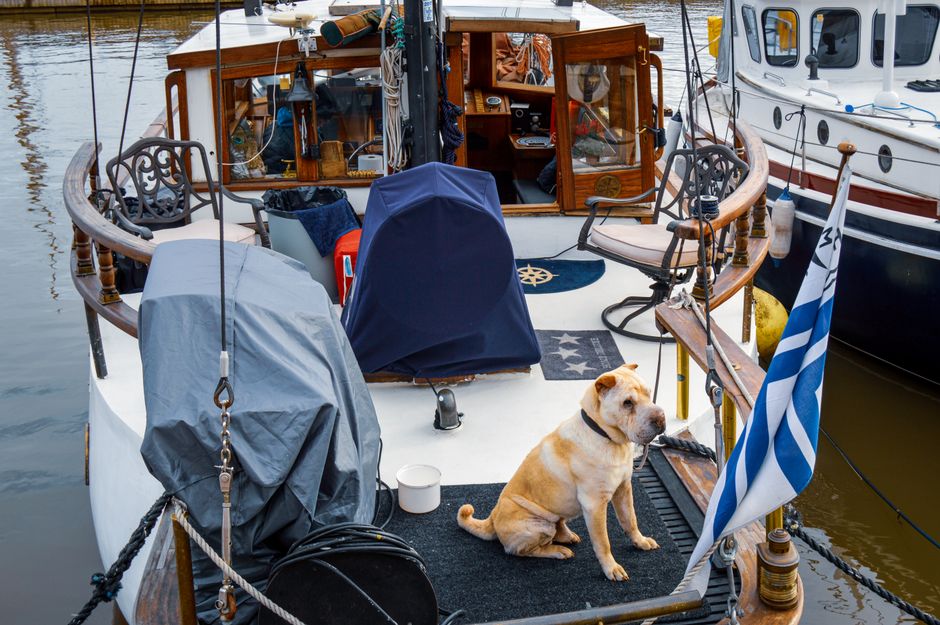
One of the most important practical questions is how your dog will manage toilet breaks. Some dogs adapt to a designated onboard area, while others strongly prefer going ashore. This should be considered before the cruise begins, especially if you plan longer passages or anchoring away from marinas.
If your dog is used to land-based routines, regular shore access may be the easiest solution. In that case, berth selection and marina planning become especially relevant. Choosing convenient stops can make a pet-friendly itinerary much smoother. You may find this article on how to reserve the best yacht berths in Montenegro helpful when planning practical shore access.
It is also wise to bring familiar items from home. Dogs often adjust more easily when they have their own bed, bowls, and a consistent feeding routine. Keeping mealtimes, walks, and rest periods as regular as possible can reduce stress.
Provisioning for a pet-friendly cruise
Provisioning for a dog should be treated with the same care as provisioning for guests. Running out of the right food, treats, or basic care items can quickly become inconvenient, particularly during a busy cruising schedule.
Before departure, make a checklist of essentials such as:
- enough food for the full trip, plus extra
- fresh water access at all times
- treats for reassurance and training
- medications or supplements if needed
- cleaning products for accidents or muddy paws
For yachts cruising in Montenegro, advance planning can make onboard life much easier. If you need support arranging supplies, see yacht provisioning in Montenegro for a practical overview.
Marina stops, shore access, and local planning
Pet-friendly cruising is often easier when the itinerary includes well-planned marina stops. Easy shore access allows for walks, exercise, and routine breaks, which can make a major difference to your dog’s comfort and behaviour on board.
When reviewing your route, consider:
- how often your dog will need to go ashore
- whether the marina layout allows simple access from berth to land
- how busy or noisy the destination may be
- whether the day’s schedule leaves enough time for pet care
For captains and owners, practical planning is especially important during high season, when berth availability can affect the entire daily routine.
How to help your dog adjust to yachting
Start gradually
If your dog is new to boating, introduce the environment in stages. A short visit at berth is often better than a full-day passage as a first experience. Let your dog explore slowly, become familiar with the smells and movement, and build confidence before undertaking longer trips.
Keep routines familiar
Dogs generally adapt better when the rest of their day feels predictable. Feed them at normal times, keep favourite toys nearby, and create a regular rhythm for walks, rest, and quiet time.
Reward calm behaviour
Positive reinforcement can help your dog associate the yacht with comfort and security. Calm praise, familiar bedding, and a relaxed atmosphere often make a bigger difference than owners expect.
Special considerations for longer itineraries
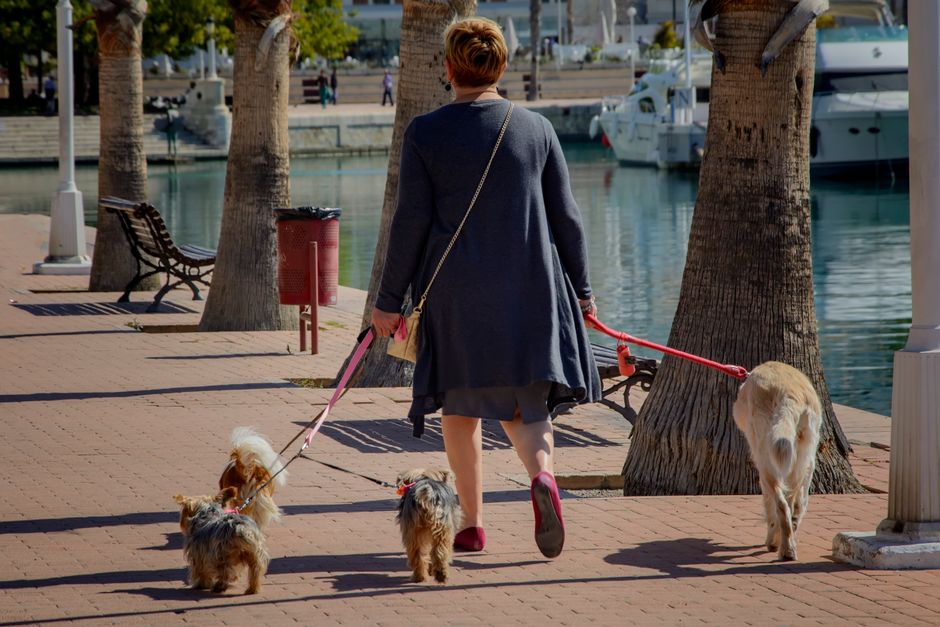
On extended cruises, small issues can become bigger if they are not addressed early. A dog that is comfortable for a day trip may still struggle with several days of changing locations, heat, noise, and reduced space.
For longer itineraries, it is sensible to think ahead about:
- rest days with more time ashore
- backup supplies and food storage
- cleaning and hygiene routines
- quiet sleeping areas away from high traffic
- the impact of border procedures if cruising internationally
Owners and captains should also factor pet care into operational planning, just as they would with guest preferences or onboard provisioning.
When bringing a dog on a yacht may not be the best option
Although many dogs can enjoy time at sea, there are situations where it may not be the right choice. Very long passages, intense summer heat, highly active charter schedules, or dogs with strong anxiety around noise and movement can make the experience difficult.
The best decision is always the one that prioritises the animal’s welfare. A carefully considered choice reflects well on the owner, captain, and overall onboard experience.
Pet-friendly cruising in Montenegro
Montenegro is an appealing destination for yacht owners and charter guests who value scenic cruising, marina access, and a refined Adriatic experience. For those travelling with pets, successful cruising depends on thoughtful planning and reliable support on shore as much as comfort on board.
From arrival logistics to provisioning and berth coordination, each detail contributes to a smoother experience for both guests and crew. For owners, captains, and clients looking to organise yachting services in Montenegro with care and discretion, local knowledge makes a meaningful difference.
Bringing a dog on a yacht is absolutely possible in many cases. The most successful trips are the ones that balance luxury with practicality, ensuring that every guest onboard, including the four-legged ones, can travel comfortably and safely.
FAQ
Can dogs stay on a yacht overnight?
Yes, many dogs can stay on a yacht overnight if they have a secure, comfortable place to rest and their routine is managed properly. The yacht layout, ventilation, and access to water all matter.
Do dogs get seasick on yachts?
Some dogs may feel unsettled by movement, especially if they are new to boating. A short trial outing can help you understand how your dog reacts before planning a longer cruise.
What is the biggest challenge of having a dog on a yacht?
For many owners, the main challenge is managing toilet breaks and daily routine. Regular shore access, suitable berth planning, and consistency onboard can make this much easier.
Should charter guests ask about pet policies in advance?
Absolutely. Pet policies vary from yacht to yacht, so it is important to confirm whether a dog is allowed before finalising any charter arrangements.